
Anti-Inflammatory Diet: Cortisol-Reducing Foods
Key takeaway: Your diet is a powerful tool for managing cortisol. Focus on anti-inflammatory foods like omega-3-rich salmon, magnesium-packed almonds, and green tea. Pair with mindful meal timing and just 5 minutes of nightly deep breathing to reduce stress, enhance sleep, and support overall health—proven by research to create lasting calm.
Feeling stressed and overwhelmed? Cortisol reducing foods can help your body calm down and reduce inflammation. Chronic high cortisol levels leave you exhausted, anxious, and overwhelmed—but you’re not alone, as stress is a common modern challenge affecting millions worldwide. Discover how specific cortisol reducing foods—from omega-3-rich salmon and walnuts to magnesium-packed dark chocolate and leafy greens—work to lower inflammation, balance your nervous system, and restore calm. This science-backed guide reveals simple, actionable steps to nourish your body and mind, helping you build resilience one meal at a time for a calmer life. Each bite is a step toward a calmer, healthier you with lasting stress relief and improved daily energy.
- Feeling overwhelmed? Your diet might be part of the story
- What is cortisol and why does it matter for your health?
- Eat your way to calm: the best cortisol reducing foods
- Foods and Habits That Can Fuel the Stress Fire
- Sync Your Meals With Your Stress Hormone for Better Balance
- Beyond Your Plate: Powerful Lifestyle Habits to Lower Cortisol
- Your simple action plan to start reducing stress today
Feeling overwhelmed? Your diet might be part of the story
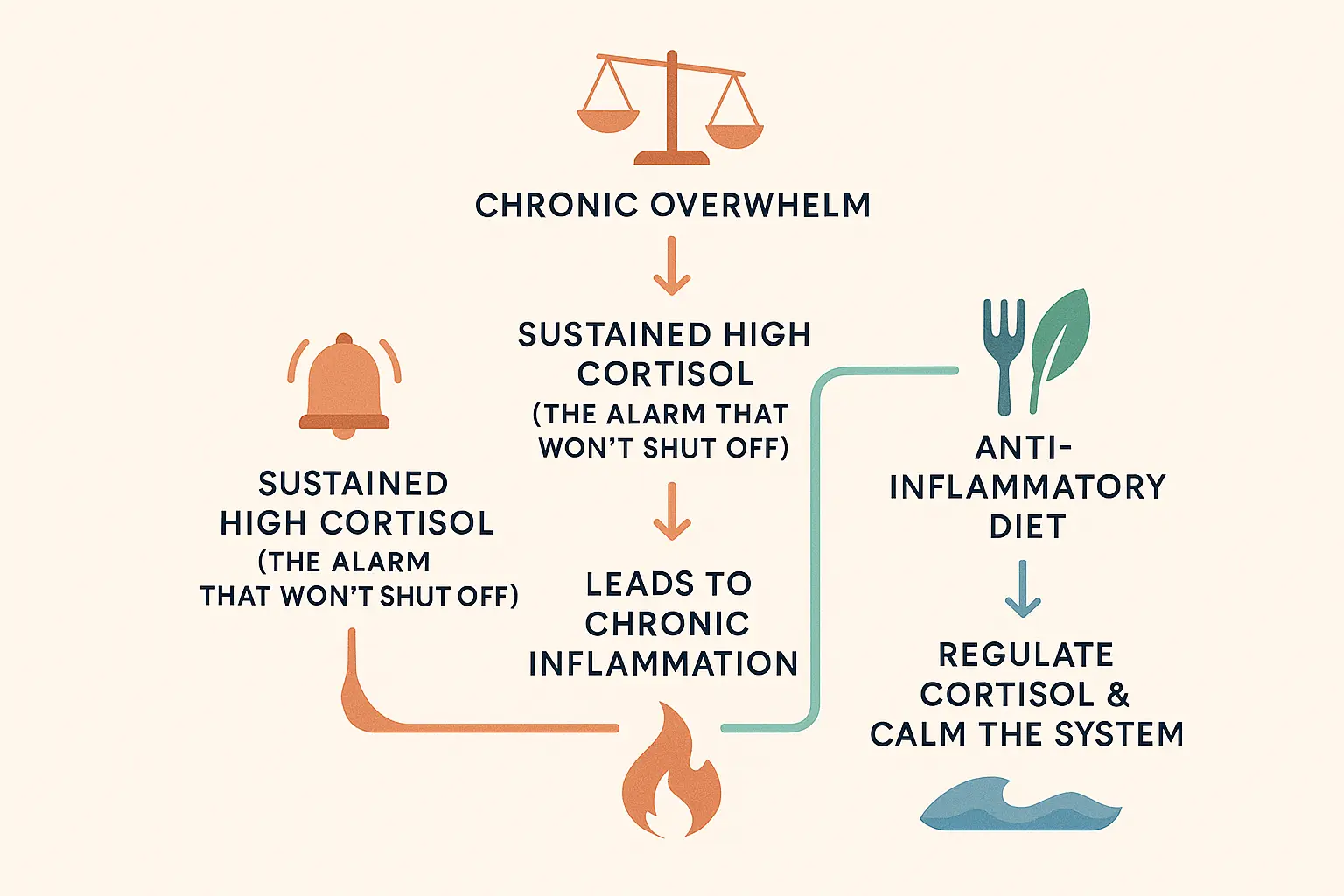
Feeling overwhelmed daily? You’re not alone. Modern life constantly adds stress, leaving many drained. While stress is normal, chronic stress keeps your body on high alert. Cortisol, your body’s natural alarm hormone, should rise briefly then settle. When it stays elevated, it fuels inflammation and worsens fatigue. This creates a vicious cycle: more inflammation raises cortisol further, leading to brain fog and weakened immunity. The solution is real food—not magic pills. Simple dietary changes can regulate cortisol and calm your nervous system. Add omega-3-rich salmon, magnesium-packed spinach, and antioxidant berries to your meals. These whole foods naturally reduce inflammation and support stress management. Start small: swap processed snacks for nuts or fruit. Your plate can be a powerful tool for calm. Consistency matters more than perfection. For example, start your day with oatmeal topped with chia seeds and blueberries. Enjoy grilled salmon with roasted vegetables for dinner. These practical steps support cortisol balance and reduce inflammation naturally.
What is cortisol and why does it matter for your health?
The natural rhythm of your stress hormone
Cortisol is a steroid hormone produced by the adrenal glands. It regulates stress, metabolism, immune function, and blood pressure. Its secretion follows a circadian rhythm, varying throughout the day.
Levels peak shortly after waking to boost energy and alertness. They gradually decrease throughout the day, reaching their lowest point at night. This cycle supports healthy sleep and energy management.
When disrupted by chronic stress, irregular sleep, or shift work, cortisol imbalances can cause fatigue and sleep issues. A consistent routine helps maintain this natural rhythm for better health.
Understanding this cycle is crucial for managing stress effectively. Your body depends on these natural fluctuations to function optimally and maintain overall wellness.
When stress becomes chronic: the health impact
Chronic stress keeps cortisol elevated, increasing cravings for sugary and fatty foods. According to Harvard Health, stress makes people more likely to snack on unhealthy options during daily hassles.
High cortisol contributes to abdominal fat accumulation. Chronic high cortisol levels contribute to the accumulation of abdominal fat, which is particularly dangerous for heart health and metabolic issues.
Elevated cortisol disrupts sleep patterns. This creates a vicious cycle of fatigue and stress, making it harder to recover from daily challenges and worsening overall well-being.
Chronic high cortisol also increases systemic inflammation. This low-grade inflammation affects multiple body systems and can lead to long-term health issues like autoimmune disorders and digestive problems.
Over time, this raises risks for insulin resistance, type 2 diabetes, and cardiovascular disease. Chronic inflammation further exacerbates these conditions, creating a cycle of declining health.
Eat your way to calm: the best cortisol reducing foods
Your diet manages cortisol, the body’s main stress hormone. Chronic high cortisol causes fatigue, weight gain, weakened immunity, and anxiety. Research confirms Mediterranean diet lowers cortisol. Studies confirm. Focus on whole foods for stress support.
Power up with omega-3 fatty acids
Omega-3s reduce inflammation and modulate stress. Fatty fish (salmon, mackerel, sardines) lower cortisol spikes. Research shows they inhibit stress-triggered adrenal activation. Add chia to smoothies or snack walnuts.
Master your stress with magnesium
Magnesium calms nerves and regulates cortisol. Include spinach, Swiss chard, avocados, almonds, pumpkin seeds, dark chocolate (70%+ cacao). Pair with vitamin C for absorption.
Fortify your body with antioxidants and polyphenols
Antioxidants fight oxidative stress linked to high cortisol. Green tea’s EGCG inhibits cortisol-producing enzymes. Research shows it lowers stress. Berries, citrus, bell peppers protect. Vitamin C lowers cortisol post-stress. Add lemon to salads or berries to oatmeal.
Nurture your gut-brain axis
A healthy gut-brain axis aids stress management. Probiotics (yogurt, kefir, sauerkraut) support gut health. Prebiotics (garlic, onions, bananas, oats) nourish gut bacteria. This combo reduces inflammation and supports gut-brain communication. Add sauerkraut to sandwiches or enjoy kefir smoothies.
| Key Nutrient | How It Helps | Best Food Sources |
|---|---|---|
| Omega-3 Fatty Acids | Reduces inflammation, blunts stress response | Salmon, mackerel, chia seeds, walnuts |
| Magnesium | Calms nerves, regulates cortisol | Spinach, avocado, almonds, dark chocolate |
| Vitamin C | Lowers cortisol after stress | Oranges, bell peppers, broccoli, strawberries |
| B Vitamins | Supports energy, neurotransmitters | Whole grains, eggs, legumes, leafy greens |
| Probiotics & Fiber | Supports gut-brain axis | Yogurt, kefir, bananas, asparagus, oats |
Foods and Habits That Can Fuel the Stress Fire
The Impact of Sugar and Refined Carbohydrates
Added sugars and refined carbs—such as white bread, pastries, soda, and candy—cause sharp blood sugar spikes. These spikes force your body to release cortisol to manage glucose levels. When blood sugar crashes, cortisol rises again, creating a stress cycle. A 2022 study found such diets disrupt natural cortisol rhythms. Choose complex carbs like oats or berries instead for steady energy.
Be Mindful of Caffeine and Alcohol
Excessive caffeine—especially from coffee or energy drinks after noon—interferes with cortisol’s natural decline. Evening caffeine delays melatonin release by up to 40 minutes, worsening sleep. Alcohol may help you fall asleep initially, but it spikes cortisol later at night, increasing stress the next day. Even moderate drinking can raise cortisol by 20-30% during sleep.
Choose Whole Foods Over Processed Options
Ultra-processed foods—like frozen meals, fast food, and snack bars—are packed with unhealthy fats, salt, and additives. These ingredients promote inflammation, signaling your body to produce more cortisol. For instance, trans fats in fried foods worsen inflammation. Snack bars and chips often contain high omega-6 fats, which exacerbate inflammation. Focus on whole, unprocessed ingredients to reduce inflammation and naturally regulate cortisol.
Sync Your Meals With Your Stress Hormone for Better Balance
Your cortisol follows a natural daily rhythm: highest in the morning, lowest at night. Eating at the right times helps regulate this hormone. Timing is as important as food choices for stress management.
Start your day with a protein-rich breakfast. Scrambled eggs with sautéed spinach or oatmeal topped with walnuts, chia seeds, and blueberries. These foods stabilize blood sugar and provide omega-3s, fiber, and antioxidants. They support your body’s morning cortisol peak without causing spikes. This helps maintain steady energy throughout the day.
For dinner, include complex carbs like roasted sweet potatoes or quinoa. These promote serotonin production, which converts to melatonin for better sleep. Add magnesium-rich pumpkin seeds or steamed spinach. They reduce inflammation linked to high cortisol. A small piece of dark chocolate (70% cocoa) after dinner can also help lower stress hormones. This combination supports both sleep quality and stress reduction.
Eat meals at consistent times throughout the day. Skipping meals causes cortisol surges from hunger. Finish dinner 2-3 hours before bed to allow proper digestion. Regular eating patterns keep your circadian rhythm balanced, reducing unnecessary stress responses and supporting overall well-being.
Choose whole foods over processed options. Swap chips for a handful of almonds or fresh berries. These provide essential nutrients like magnesium and vitamin C without added sugars or artificial ingredients. Simple swaps lead to significant stress reduction. Your body thrives on natural, nourishing foods, helping you feel calmer and more energised every day.
Beyond Your Plate: Powerful Lifestyle Habits to Lower Cortisol
While diet plays a role in cortisol management, healthy lifestyle habits are equally vital. Combining nutrition with sleep, movement, and relaxation creates a strong foundation for stress reduction and long-term well-being.
Prioritise Deep, Restorative Sleep
Quality sleep is critical for regulating cortisol levels. Disrupted sleep elevates cortisol, causing fatigue, anxiety, and weakened immunity. Consistent sleep patterns support natural melatonin production for restorative rest.
- Stick to consistent sleep times, even on weekends.
- Avoid screens 1 hour before bed; use blackout curtains for complete darkness.
- Keep bedroom cool (18-20°C), dark, and quiet to enhance melatonin release.
- Wind down with reading, warm baths, or gentle stretching.
- Skip the snooze button—each reset spikes cortisol and disrupts sleep cycles.
- Get morning sunlight within 30 minutes of waking to reset natural rhythms.
- Limit caffeine after noon and alcohol before bed for deeper sleep quality.
Integrate Mindful Movement and Relaxation
Gentle movements like yoga, Tai Chi, or a 20-minute walk in nature lower cortisol by activating the parasympathetic nervous system. These activities shift the body from ‘fight or flight’ to ‘rest and digest’ mode, reducing stress hormones and promoting recovery.
Practice 4-7-8 breathing (inhale 4, hold 7, exhale 8) or alternate nostril breathing to instantly reduce stress and slow heart rate. This technique works anywhere for immediate relief.
Just five minutes of daily mindfulness meditation builds resilience and lowers cortisol. Focusing on your breath helps manage stress in the moment, creating lasting calm and emotional balance.
Your simple action plan to start reducing stress today
Chronic stress elevates cortisol, triggering inflammation and harming your health. The good news? Your plate is a powerful tool. Whole foods rich in magnesium, omega-3s, and antioxidants naturally calm your body’s stress response. No supplements needed—just smart, simple swaps.
Start today with three easy steps:
- Step 1: Add magnesium-rich foods like almonds or avocado to your daily meals. Magnesium relaxes nerves and improves sleep quality.
- Step 2: Replace afternoon coffee with green tea. Its L-theanine lowers cortisol while boosting focus.
- Step 3: Practice 5 minutes of deep breathing before bed. This activates your body’s relaxation system instantly.
Small changes create big results. Nourishing your body thoughtfully builds resilience against stress—one meal at a time.
Small steps make big differences. Start today: add magnesium-rich almonds or avocado, swap afternoon coffee for green tea, and try 5 minutes of deep breathing before bed. Remember, progress over perfection—your body thanks you for every mindful choice. You’ve got this!
FAQ
What are the best foods to reduce cortisol naturally?
Focus on nutrient-dense whole foods that fight inflammation and support stress resilience. Omega-3-rich salmon and magnesium-packed spinach calm your nervous system, while antioxidant-packed berries combat oxidative stress. Don’t forget probiotic-rich yogurt for gut health—your gut and brain are deeply connected! Start small: add a handful of walnuts to your salad or swap sugary snacks for dark chocolate (70%+ cacao).
How does magnesium help with stress and cortisol regulation?
Magnesium is your body’s natural relaxant—it helps regulate the nervous system and cortisol production. When you’re stressed, magnesium levels drop, creating a cycle that worsens tension. Boost your intake with avocados, almonds, and dark leafy greens. Try adding spinach to your morning smoothie or snacking on pumpkin seeds for a quick, calming boost.
Does green tea really lower cortisol levels?
Yes! Green tea contains EGCG, a powerful compound that inhibits the enzyme responsible for converting inactive cortisone into active cortisol. Studies show regular green tea consumption helps lower stress hormone levels. Aim for 2-3 cups daily—try it warm in the morning or iced in the afternoon. Bonus: it’s a gentle caffeine source that won’t spike your stress response like coffee can.
What foods should I avoid to prevent cortisol spikes?
Sugary snacks, refined carbs (like white bread and pastries), and excessive caffeine can trigger cortisol surges. These foods cause blood sugar spikes and crashes, stressing your body. Alcohol might feel relaxing at first, but it disrupts cortisol rhythm and sleep quality. Instead of reaching for processed treats, choose whole foods like apples with almond butter or a small handful of nuts for steady energy without the stress spike.
How does meal timing affect cortisol levels?
Your body’s natural cortisol rhythm peaks in the morning, so eating a protein-rich breakfast (like eggs with veggies) helps stabilise energy. Later in the day, include complex carbs like sweet potatoes or quinoa at dinner to support sleep by boosting serotonin. Consistency matters too—try to eat meals at regular times to keep your internal clock balanced and cortisol levels steady.