
How to Sleep Better: 10 Sleep Doctor Secrets for Perfect Nights
Tired of waking up exhausted?  Good news — lack of sleep isn’t a life sentence.
Discover 10 expert-backed secrets to transform your nights and upgrade your overall health. 

Too Busy to Read It All? Here’s the Quick Recap 
- Know your chronotype and respect it.
- Keep consistent sleep hours — even on weekends.
- Get morning light exposure.
- Ditch caffeine after 2 p.m.
- Move your body — but not too late.
- Eat a light, balanced dinner.
- Build a relaxing night-time ritual.
- Make your bedroom your sleep temple.
- Turn off screens 30 minutes before bed.
- Only go to bed when you’re sleepy.
The Biological Foundations of Great Sleep
1. Respect Your Body Clock: Know Your True Rhythm (Chronotype)
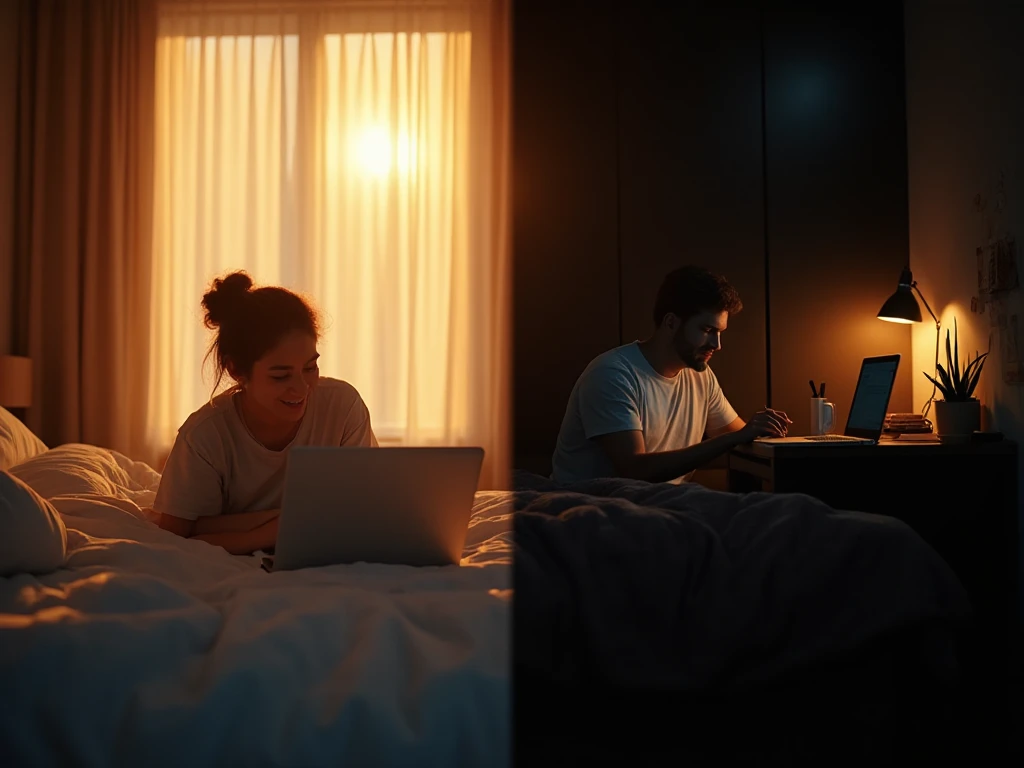
Ever wondered why you’re bursting with energy at 7 a.m. while your friend only wakes up after sunset?  That’s your chronotype — your natural biological rhythm.
Why it matters: Knowing your chronotype helps you understand how to get better sleep by aligning your natural rhythm with your daily routine.. A study in the Journal of Sleep Research found that aligning your schedule with your chronotype boosts productivity and overall health.
Practical tip: Identify your chronotype and adjust your sleep/wake times accordingly.
- Morning type? Start your day with a brisk walk or stimulating activity.
- Night owl? Save creative work for the evening when your brain lights up.
2. Consistency Is Key: Keep a Regular Schedule — Even on Weekends 
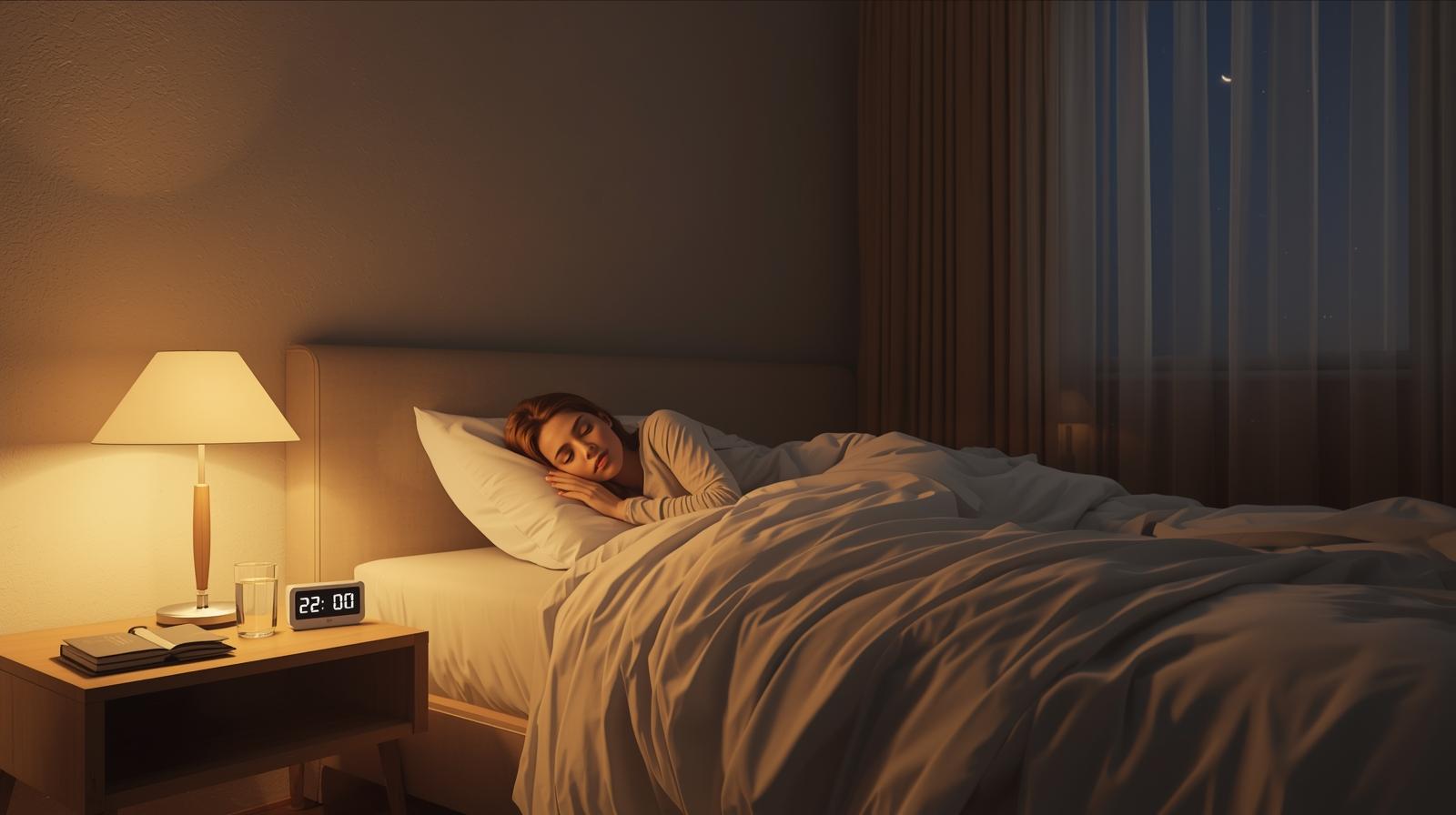
Ah, weekends — that tempting time to sleep in. But if you want truly restorative sleep, it’s time to rethink that habit.
Why it matters: Neuroscience experts warn that “social jet lag” (weekend sleep shifts) can disrupt your circadian rhythm and make Monday mornings harder.
Practical tip: Try to wake up and go to bed at the same time every day — even on Saturdays. Dr. Pierre Philip from Bordeaux University Hospital recommends going to bed roughly 17 hours after waking up. Your body will thank you for the consistency.
3. Light Is Your Ally: Reset Your Internal Clock in the Morning 
You know light affects your mood — but it also governs your sleep.
Why it matters: Natural light helps regulate melatonin, the hormone that controls your sleep–wake cycle. Neuroscientist Dr. Andrew Huberman (Stanford University) recommends getting at least 30 minutes of morning sunlight to sync your circadian rhythm.
Practical tip: Open your curtains the moment you wake up or step outside for your coffee break. Your mood and your sleep will both get a serious upgrade. 

How Lifestyle Choices Shape Your Sleep Quality
4. Power Down: Avoid Stimulants After 2 PM 

Coffee, tea, soda — we love them. But after 2 p.m., they might be silently sabotaging your sleep.
Why it matters: Caffeine stays in your system for hours. According to Johns Hopkins University, even a 4 p.m. coffee can delay your sleep by several hours.
Practical tip: Need an energy boost? Swap your espresso for green tea or a caffeine-free herbal infusion. You’ll still feel refreshed — minus the midnight tossing and turning.
5. Move to Sleep Better: Exercise at the Right Time 
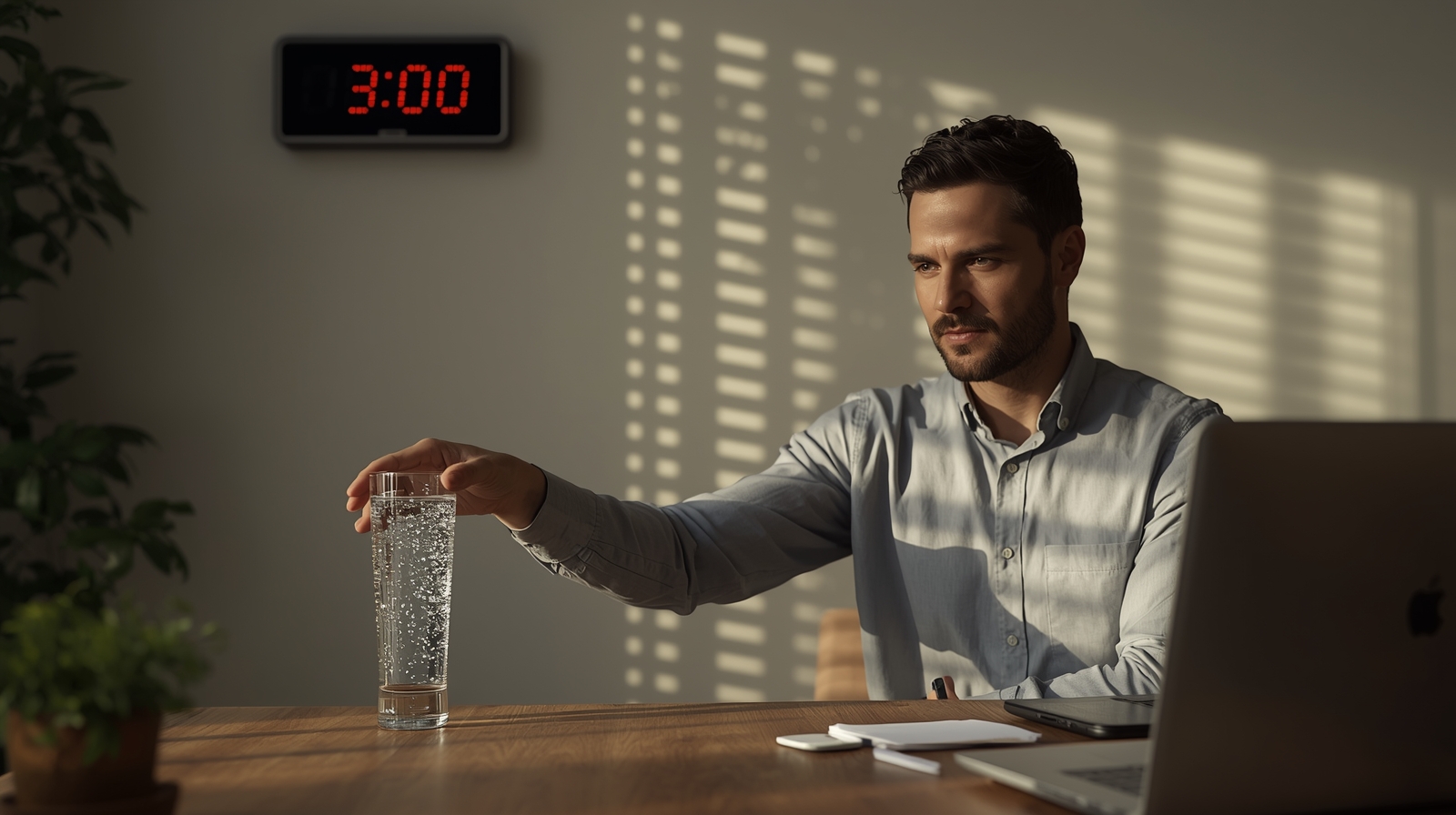
You don’t need to be an Olympian to sleep like a baby — but your body does need movement.
Why it matters: Regular physical activity is one of the most effective natural ways to sleep better and fall asleep faster. But beware: intense workouts too close to bedtime can have the opposite effect.
Practical tip:
- Morning or afternoon: go for moderate activities like yoga or brisk walking.
- Evening: choose calming options like stretching or meditation.


6. The Sleep Plate: Dinner Secrets to Avoid Midnight Cravings 
Ever wake up starving at 2 a.m.? That’s often your dinner’s fault.
Why it matters: Heavy or carb-heavy meals can disrupt digestion and cause restless sleep. Sleep expert Dr. Michael Breus recommends light but balanced dinners.
Practical tip: Go for lean protein (chicken, fish), veggies, and whole grains. Avoid spicy or fatty dishes. And if hunger strikes before bed? Try a small tryptophan-rich snack — like a banana or a handful of nuts. 

Optimising Your Evening Routine & Sleep Environment
7. The Evening Ritual: Create a Buffer Between Day and Night
The transition from work mode to sleep mode should be smooth — not a crash landing.
Why it matters: Your body needs a clear “it’s time to relax” signal. That’s what a solid bedtime ritual provides.
Practical tip: An hour before bed, start winding down:
- Turn off screens
- Dim the lights
- Read, listen to soft music, or try meditation
Your brain will start associating these cues with rest.

8. The Perfect Cocoon: Optimise Your Bedroom for Instant Sleep 
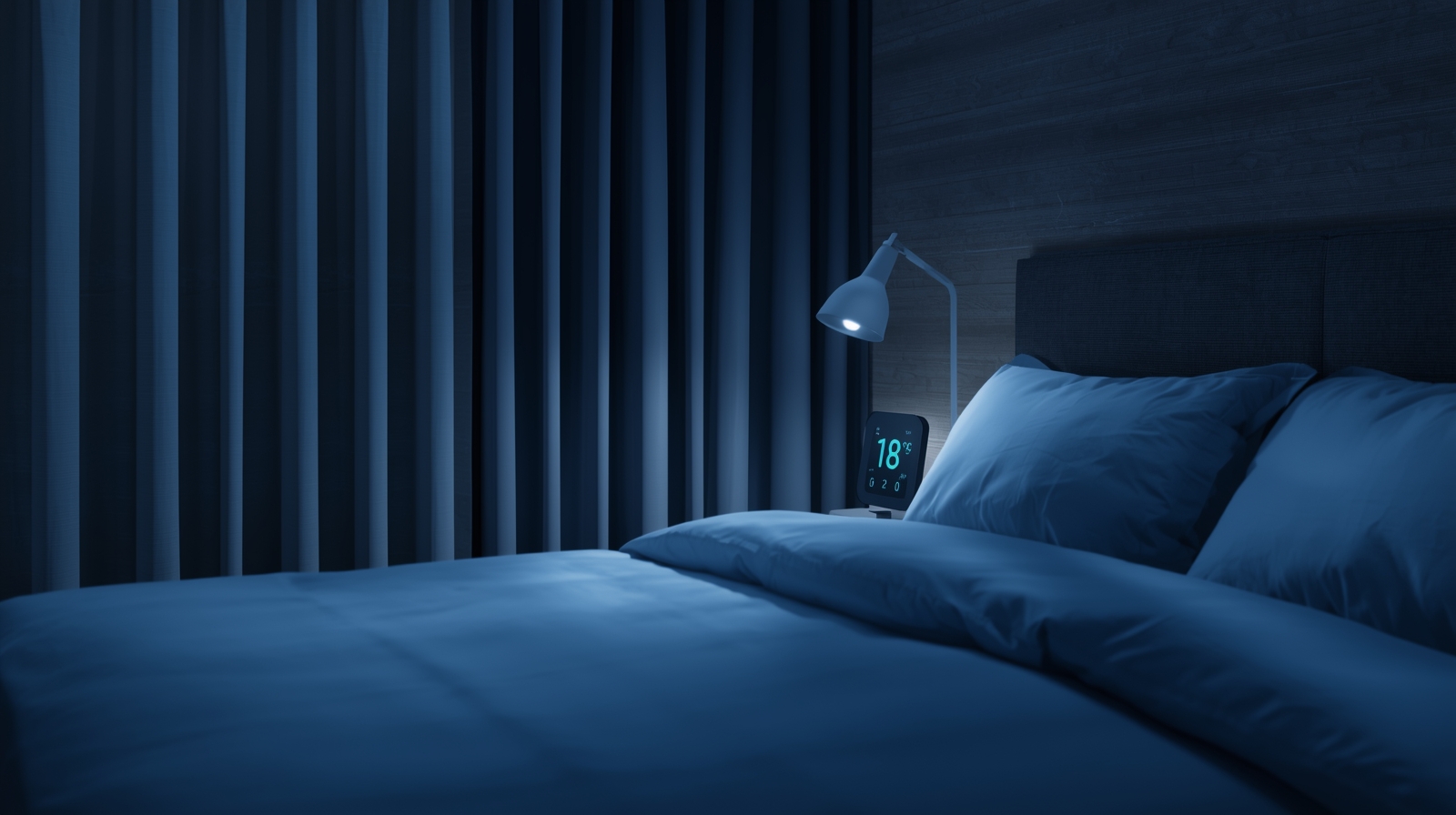
Is your bedroom a true sanctuary? Creating a cool, dark, and quiet bedroom environment is key to sleeping better at night and reducing restlessness.
Why it matters: The environment plays a massive role in how quickly and deeply you fall asleep.
Practical tip:
- Keep the temperature around 18°C (65°F).
- Block out light with blackout curtains.
- Invest in comfy pillows and bedding.
Create a space that whispers, “Come rest here.”
9. Cut the Blue Light: The Screen-Free Hour That Saves Your Sleep 
Did you know blue light suppresses melatonin — your sleep hormone? 
Why it matters: Harvard researcher Dr. Charles Czeisler proved that blue light exposure before bed delays sleep onset and reduces its quality.
Practical tip: Turn off screens at least 30 minutes before bedtime. If you must check your phone, switch to “night mode” or use red-light filters.

The Behavioral Approach to Better Sleep
10. The Sacred Rule: Only Go to Bed When You’re Truly Sleepy
Ever lie awake staring at the ceiling, frustrated? That’s the worst thing you can do.
Why it matters: Experts agree — your bed should only be associated with sleep, not restlessness. Staying awake in bed trains your brain to link your mattress with anxiety, not rest.
Practical tip: If you can’t sleep after 20–30 minutes, get up and do something relaxing (no screens!) until you feel drowsy again.
Mini FAQ 
 When should I see a doctor about sleep issues?
If you’ve tried everything and still struggle with insomnia, it may be time to consult a sleep specialist.
 How long before I see results?
Most people notice improvements within a few days. But for lasting results, stick with these habits for 2–3 weeks. Your body needs time to adapt — be patient!
I can’t wake up early — any tips?
Try going to bed earlier and set up a calming pre-sleep ritual. Once your rhythm adjusts, early mornings will feel surprisingly easy!
Your Personalized Action Plan (To Start Tonight!) 
Ready to take action? Pick two or three of these secrets and apply them tonight. Stick with them for a week — and boom… you’ll already feel the difference! 
Conclusion 
Restful sleep is absolutely within reach. Once you understand how to get better sleep, your nights — and your days — will truly transform.