
🏋️ 1. Daily Exercise
There’s something grounding about movement—the rhythm of footsteps on pavement, the soft feel of a yoga mat, the way air feels cooler after a jog. Regular movement isn’t about perfection or performance. It’s about connection—to the body, breath, and balance.

How it works
Exercise boosts those “feel-good” chemicals—endorphins, serotonin, dopamine (Harvard health publishing, 2020)— that take the sharpness out of stress and makes feelings easier to manage. It also eases cortisol, the stress hormone that likes to linger when life feels heavy. Over time, even light activity can help the mind settle and make sleep come easier.
To do it:
- Be active for 20–30 minutes most days: a walk, a bike ride, a dance in the kitchen.
- Begin small—10 minutes is enough to start a rhythm.
- Combine gentle cardio, stretching, and strength when you can.
- Choose what feels joyful. It’s the consistency that matters, not the intensity.
🍽 2. Fix Your Diet
The food on your plate is more than just energy—it shapes your mood. Notice how a warm meal feels, the scent of herbs, the sound of chopping vegetables. A balanced diet quietly supports the body’s chemistry, giving you steadier focus and a calmer baseline.

How it works
Omega-3s, B vitamins, magnesium—they all play a part in how neurons talk to one another. Balanced meals help avoid the blood sugar swings that bring fatigue and irritability (PubMed central, 2018). A happy gut—yes, those microbes matter—communicates with the brain through subtle signals that influence how stress feels inside.
To do it:
- Eat regularly: include protein, fibre, and healthy fats at each meal.
- Bring in colours—greens, berries, whole grains, fish, nuts.
- Go easy on sugar and ultra-processed snacks.
- Keep water close; sip through the day.
🧘♂️ 3. Meditation
Quiet isn’t always easy, but it’s powerful. Meditation trains awareness to stay anchored when thoughts pass through like wind through tall grass. Over time, it feels less like “trying to relax” and more like remembering how to breathe again.

How it works
Meditation calms the amygdala—the brain’s alarm bell—and strengthens the prefrontal cortex, which helps regulate reactions and emotions (Mount sinai, 2025). Slowly, you begin to notice space between a thought and your response. That space is freedom. It gives you clarity of thought, time to respond.
To do it:
- Start with 5–10 minutes daily. Sit. Breathe naturally.
- If your mind wanders (and it will), label the distraction—“thinking” or “planning”—then return to breath.
- Guided recordings help; so does gentle background music.
- Regularity matters more than length. A few minutes each day can change patterns over weeks.
😴 4. Sleep
There’s a special stillness before sleep—the body relaxing, the mind softening its edges, thoughts slowing down. Sleep isn’t just rest; it’s repair. When it’s deep and consistent, it smooths emotions and brightens mornings.

How it works
During sleep, cortisol levels lower and the brain clears waste products through its glymphatic system (PubMed central, 2020). Missed sleep keeps stress chemicals high, making small problems feel large. Restorative sleep, on the other hand, strengthens resilience to life’s little storms.
To do it:
- Keep a steady bedtime and waking time, even on weekends.
- Try a quiet pre-sleep ritual—dim lights, warm tea, slow breathing.
- Make the room cool and dark; let silence settle.
- Step away from screens an hour before bed—blue light tricks the brain into “daytime mode.”
🫁 5. Deep Breathing
A slow inhale, a longer exhale—the simplest act, yet so transforming. Deep breathing can steady the heartbeat, clear the fog, and bring a soft hum of calm within minutes. It’s a portable practice, always available, no equipment needed.
How it works
Slow breathing activates the parasympathetic nervous system, often called the rest and digest mode. Heart rate drops, muscles loosen, and the body learns safety again (PubMed central, 2018). Practice often enough, and your breath becomes a trusted signal of calm.
To do it:
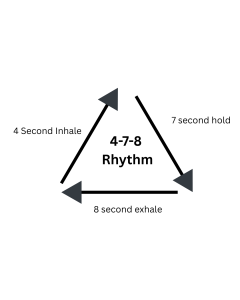
- Try the 4–7–8 rhythm: inhale 4 counts, hold 7, exhale 8.
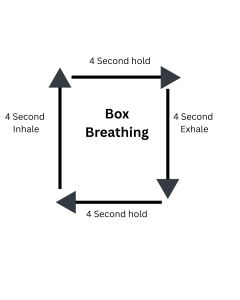
- Box breathing: inhale 4, hold 4, exhale 4, hold 4.
- Take 2–3 minutes of conscious breathing breaks during work or travel.
- Pair breath with gentle movement—a stretch, a stroll, a pause in sunlight.