
5 Breathing Exercises Proven To Relieve Anxiety
 Don’t have time to read, in short:
Deep Breathing – Inhale through the nose for 4-6 seconds, let the belly rise. Exhale for 6-8 seconds. Repeat for a few cylces. Directly reduces stress.
Diaphragmatic Breathing– Hand on stomach. Inhale, feel the air move your hand up. Exhale. Repeat for 5-10 minutes. Trains slow, calm breaths.
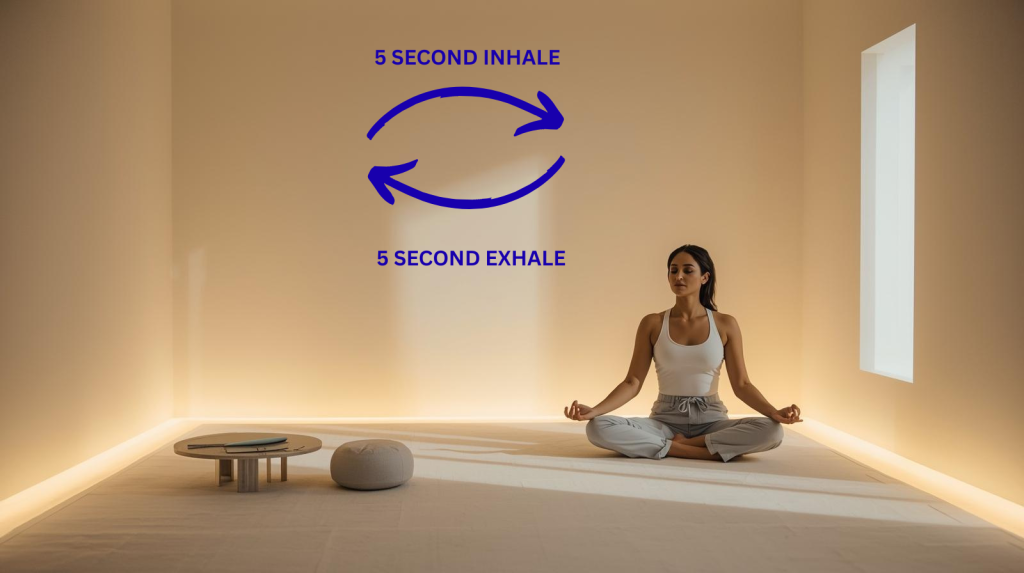
Resonant/ Coherent Breathing – Inhale for 5 seconds. Exhale for 5 seconds. Simple. Proven to calm, and lower heart rate.
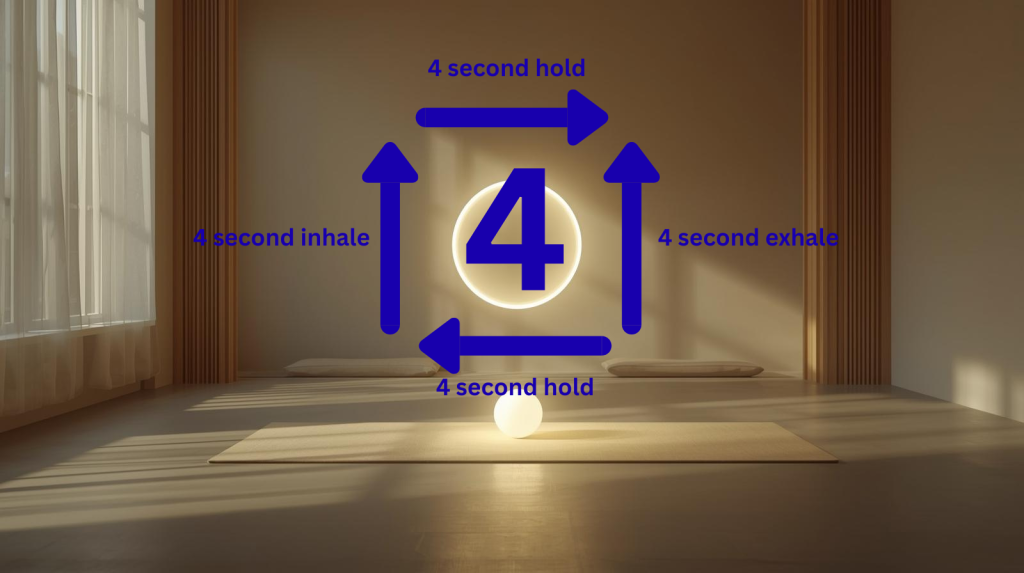
Box Breathing– 4 second inhale. 4 second hold. 4 second exhale. 4 second hold. Proven to quickly regain focus and calm in stressful situations.
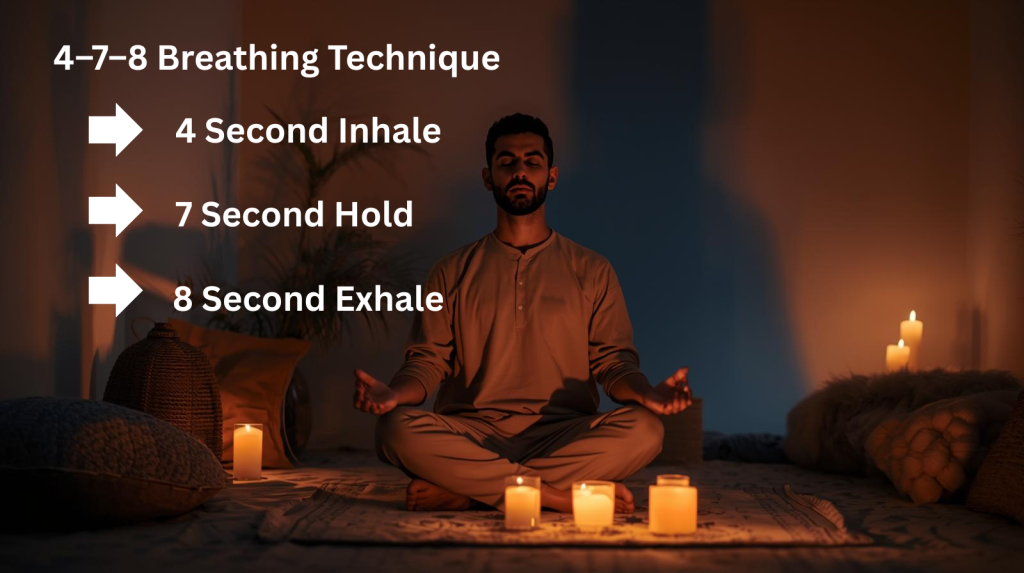
4-7-8 Breathing Technique– 4 second inhale. 7 second hold. 8 second exhale. Like box breathing, proven to quickly reduce stress.
Often anxiety feels like a storm in the chest—fast heartbeats, shallow breaths, that restless flutter that won’t go away. The breath shortens, the body tenses. But something quite small—one slow inhale—can start to shift everything. Breathing is ancient medicine, simple yet astonishingly effective. It changes chemistry, balances rhythm, and tells the nervous system: you are safe now.
Below are five breathing exercises proven by both science and centuries of human experience to calm the body and quiet the mind. Each one has its own rhythm, its own texture. Try them, feel them, notice which one feels right for you.
Deep Breathing
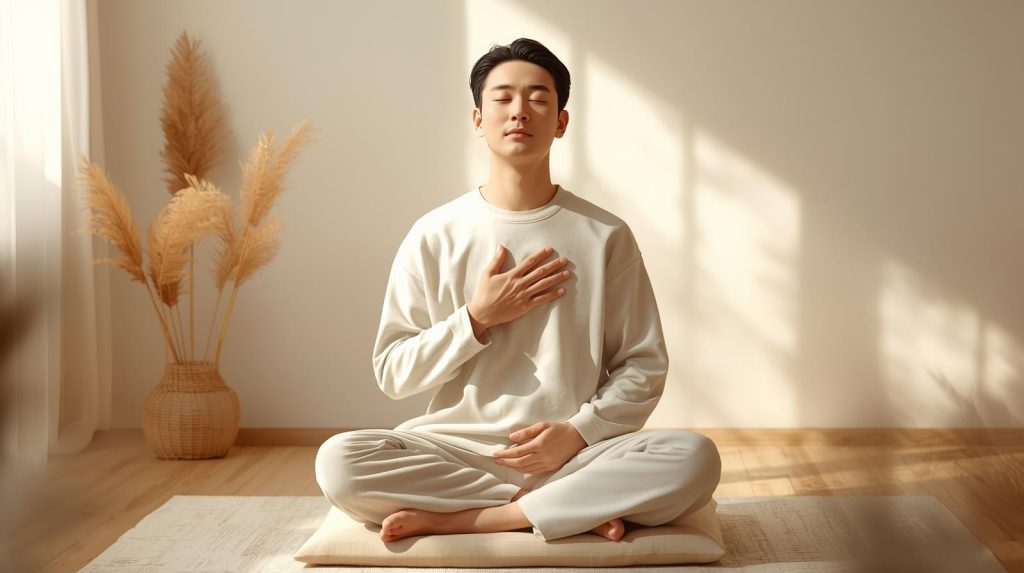
Deep breathing—sometimes called full-breath breathing—means letting air fill not just the upper chest, but the whole belly. It opens space inside the ribs and encourages oxygen to flow smoothly through the blood. Studies have shown that slow, steady breathing can reduce cortisol, the stress hormone, and help regulate the parasympathetic nervous system (also called “the rest and digest system”). (Frontiers in Human Neuroscience, 2015.)
How it’s done
- Sit or lie somewhere peaceful. Relax the shoulders.
- Place one hand on the chest and the other on the belly.
- Inhale gently through the nose for about 4–6 seconds — let the belly rise, then the chest.
- Pause briefly. Notice the air resting inside you.
- Exhale slowly through the nose or pursed lips for 6–8 seconds, the belly falling softly.
- Repeat for 5–10 cycles.
Tip: Counting silently (4…6…8) can anchor the mind. If the world starts to tilt or spin a little, take a pause.
Diaphragmatic Breathing
This method works directly with the diaphragm—the dome-shaped muscle beneath the lungs. It’s efficient, grounding, and used in pulmonary (lung) rehabilitation and anxiety therapy alike. When the diaphragm moves freely, oxygenation improves and tension eases across the chest and neck.

How it’s done
- Lie down or sit upright, spine soft but straight.
- Place one hand on the middle of the chest and the other on the abdomen.
- Inhale through the nose — feel the lower hand lift while the upper hand moves little.
- Exhale through slightly parted lips, the abdomen sinking.
- Continue for 5–10 minutes, or for shorter sessions during the day.
Tip: Practice when calm. The body remembers—later, during stress, it will know what to do.
Resonant / Coherent Breathing
Resonant breathing slows the rhythm to about 5–6 breaths per minute. It’s like syncing body and mind into the same soft tempo. Research suggests this breathing rate maximises heart-rate variability—a sign of resilience and nervous system balance (PuMed, 2017).
How it’s done
- Sit with a tall spine, close the eyes if it feels good.
- Inhale for 5 seconds, the breath smooth and unhurried.
- Exhale for 5 seconds, like a wave receding.
- Keep the rhythm steady — 5 in / 5 out (≈ 6 breaths per minute).
- Continue for 2–10 minutes, depending on available time.
Note: Apps or gentle timers can help find the right pace until the body learns the rhythm on its own.
Box Breathing
Also known as square breathing, this pattern builds focus and stability. It’s popular among athletes, first responders, even astronauts—because the structured counting helps the brain refocus under pressure.
How it’s done
- Sit comfortably with feet grounded.
- Inhale through the nose for a count of 4.
- Hold the breath calmly for a count of 4.
- Exhale through the mouth for 4.
- Hold out again for 4.
- Repeat for 4–6 rounds.
Variation: If four feels too long, start with three — the rhythm matters more than the exact number.
4–7–8 Breathing Technique
A soothing method inspired by ancient pranayama. Simple yet powerful especially before sleep or during moments of high stress. The extended exhale helps the vagus nerve activate the body’s relaxation response.
How it’s done
- Sit or lie down. Rest the tongue behind the top front teeth.
- Inhale quietly through the nose for 4 seconds.
- Hold the breath for 7 seconds.
- Exhale gently through the mouth for 8 seconds, making a soft whooshing sound.
- Repeat up to 4 times at first.
Caution: Because of the long hold, begin gradually. If light-headedness appears, shorten the counts or rest.